
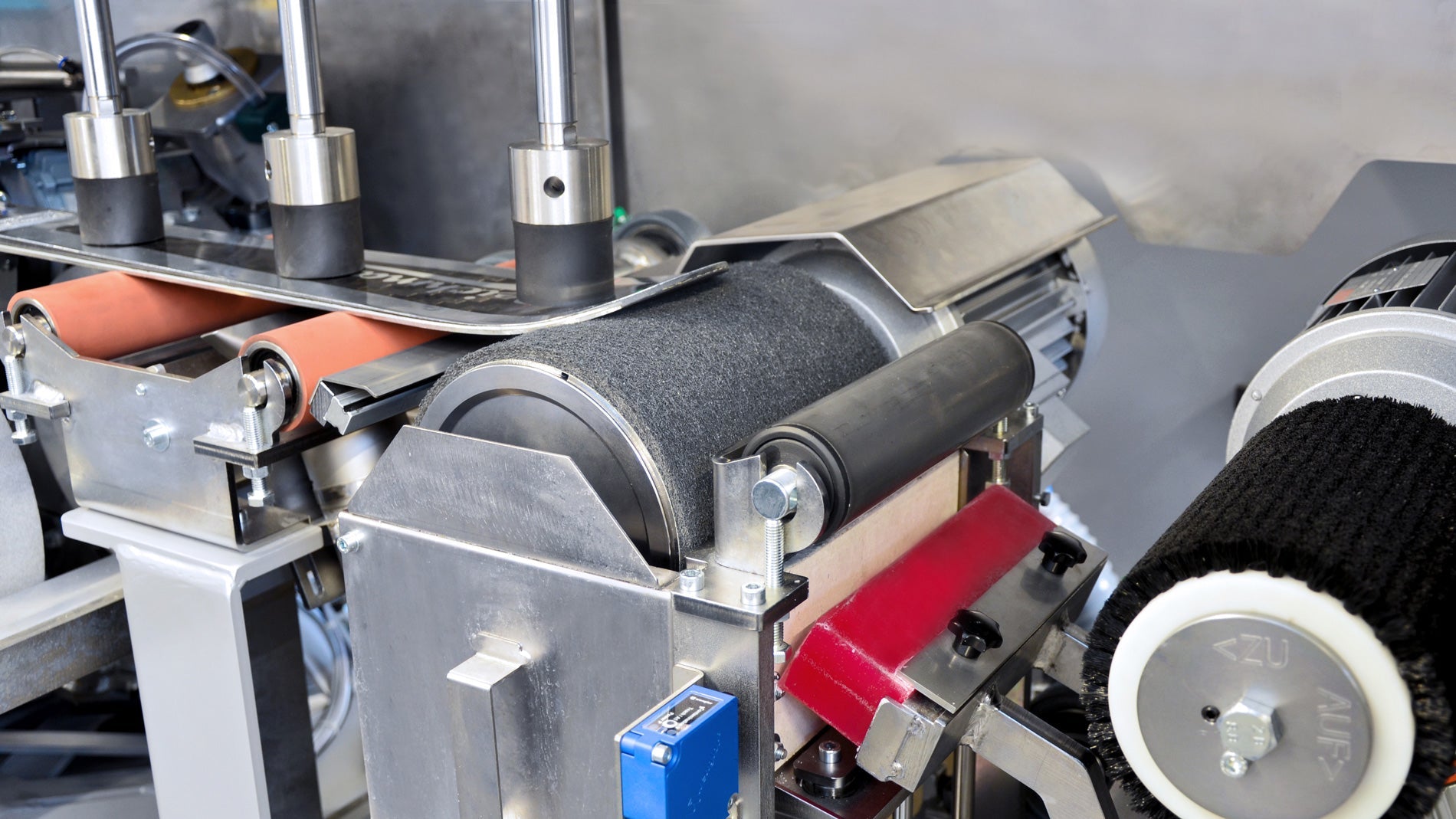
5 Ways to Extend Your Ski Equipment Lifespan
If you run a ski shop, rental operation, or tuning center, your equipment is either making you money or costing you money. There’s not much middle ground.
Machines like stone grinders, belt grinders, edge tuners, waxing systems, and storage racks are major investments. Yet many shops shorten the lifespan of their equipment simply through neglect, improper setup, or inconsistent maintenance habits.
The good news: most expensive repairs are preventable.
A well-maintained machine doesn’t just last longer — it performs better, produces more consistent ski tunes, reduces downtime, and protects your reputation with customers.
Here are five practical ways to extend the life of your ski service equipment and maximize ROI year after year.
1. Clean Your Machines Daily — Not Weekly
The fastest way to destroy ski tuning equipment is contamination buildup.
Grinding dust, wax residue, metal shavings, emulsion sludge, and moisture slowly wear down bearings, motors, feed systems, sensors, and moving parts. Most machine failures don’t happen overnight — they happen because contamination was ignored for months.
Daily cleaning should become non-negotiable.
Focus Areas:
-
Feed rollers
-
Grinding belts and stones
-
Waxing chambers
-
Water/emulsion systems
-
Dust extraction ports
-
Pneumatic components
-
Side edge units
Even premium equipment will fail prematurely if debris is allowed to accumulate.
For example, feed systems on belt grinders can begin slipping if grinding emulsion becomes too thick or contaminated. Shops often assume the machine is broken when the real issue is basic maintenance.
Pro Tip:
At the end of every shift:
-
Blow out debris with compressed air
-
Wipe down exposed surfaces
-
Check for moisture buildup
-
Remove wax accumulation before it hardens overnight
Ten minutes of cleaning daily can save thousands in repair costs later.
As Scripture says in Proverbs 27:23:
“Be diligent to know the state of your flocks.”
The principle still applies. Pay attention to what you manage.
2. Use the Correct Grinding Pressure and Setup
Many shops unknowingly wear out equipment by running excessive pressure.
More pressure does not equal better results.
Overloading grinding stones, belts, or feed systems creates:
-
Uneven structures
-
Premature belt wear
-
Excessive motor strain
-
Heat damage
-
Increased vibration
-
Bearing fatigue
This becomes especially important when working with modern skis and snowboards that are not perfectly flat.
For example, VARIO belt systems use lighter pneumatic pressure to better adapt to uneven surfaces. That flexibility reduces unnecessary stress on both the equipment and the ski base itself.
Warning Signs of Excessive Pressure:
-
Burning smell
-
Inconsistent finish
-
Excessive belt consumption
-
Feed hesitation
-
Machine vibration
-
Overheating motors
If belts are wearing unusually fast, the problem often isn’t the belt quality — it’s the machine setup.
Best Practice:
Train every operator to:
-
Start with lighter pressure
-
Make incremental adjustments
-
Let the machine do the work
Aggressive machine settings might feel faster in the moment, but they usually reduce profitability long-term.
3. Maintain Water and Emulsion Systems Properly
This is one of the most overlooked areas in Ski Equipment Maintenance.
Dirty or improperly mixed grinding fluid destroys machines over time.
Grinding emulsion serves several purposes:
-
Cooling
-
Lubrication
-
Debris removal
-
Corrosion prevention
When the mixture becomes contaminated or concentration levels are wrong, problems start quickly.
Common Issues:
-
Corrosion inside pumps
-
Clogged nozzles
-
Poor grinding finish
-
Increased friction
-
Feed slippage
-
Stone glazing
Many shops wait until performance noticeably drops before servicing their fluid systems. By then, damage may already be occurring internally.
Recommended Maintenance:
-
Check concentration regularly
-
Replace dirty fluid before peak season
-
Clean filters consistently
-
Flush tanks periodically
-
Inspect hoses and nozzles for buildup
Using high-quality additives designed for ski grinding applications also matters. Cheap substitutes often create more residue and instability over time.
Think long-term:
A few dollars saved on maintenance chemicals can easily become thousands in repairs.
4. Train Operators Properly
The operator is usually the biggest variable in machine lifespan.
Even top-tier ski service equipment can be abused by inconsistent staff training.
One experienced technician can keep a machine running smoothly for years. An untrained employee can damage it in weeks.
Areas Every Operator Should Understand:
-
Proper ski loading
-
Pressure settings
-
Feed speed
-
Belt and stone inspection
-
Wax application amounts
-
Cleaning procedures
-
Shutdown routines
This becomes especially important in rental operations where seasonal employees rotate frequently.
Biggest Mistake Shops Make:
Assuming equipment is “easy enough” to figure out.
That mindset leads to:
-
Misalignment
-
Crashes
-
Over-grinding
-
Premature consumable wear
-
Increased downtime
Creating SOPs (standard operating procedures) is one of the highest ROI decisions a shop can make.
Even a simple laminated checklist beside each machine dramatically improves consistency.
In 1 Corinthians 14:40, Scripture says:
“Let all things be done decently and in order.”
Strong systems protect businesses.
5. Don’t Delay Preventive Maintenance
Most catastrophic failures start as small problems.
A strange noise.
Minor vibration.
A worn bearing.
Slight feed inconsistency.
Ignoring those issues during busy season usually turns a small repair into major downtime later.
Preventive maintenance always costs less than emergency repairs.
Create a Maintenance Schedule For:
-
Bearings
-
Belts
-
Stones
-
Pneumatic systems
-
Feed rollers
-
Electrical inspections
-
Calibration checks
Track service intervals just like you would for a vehicle fleet.
Smart Shops Schedule:
-
Pre-season inspections
-
Mid-season maintenance checks
-
End-of-season servicing
This approach reduces breakdown risk during peak revenue months.
And here’s the ROI reality:
A machine down for even two days during winter can cost far more than routine annual maintenance.
Downtime kills profit.
Final Thoughts
Ski service equipment is not cheap — but replacing machines early is far more expensive than maintaining them correctly.
Shops that consistently clean equipment, train operators, monitor grinding systems, and prioritize preventative maintenance almost always outperform shops that operate reactively.
Good maintenance is not an expense.
It’s asset protection.
And in a competitive ski industry, reliability matters.
Customers remember consistency.
Employees appreciate dependable equipment.
And your bottom line benefits from fewer repairs, less downtime, and longer machine lifespan.
If you want your ski service equipment to last, treat maintenance as part of the business strategy — not an afterthought.
Stone vs Belt vs Vario Belt Grinding: Complete Comparison Guide
Off-Season Storage: Protecting Your Grinding Machines