
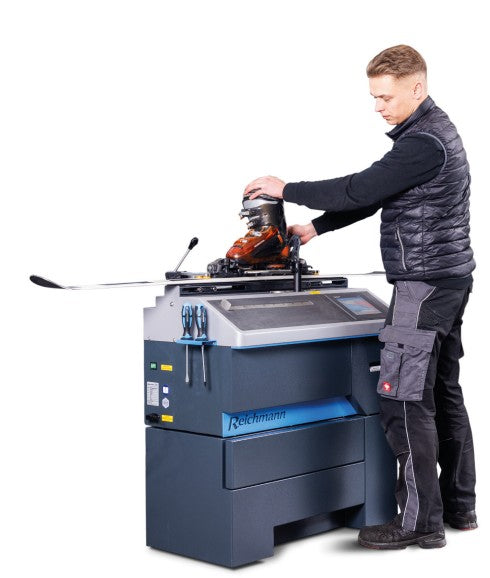
When ski season ends, many shops focus on storing rental gear, organizing inventory, and preparing for summer operations. But one of the most overlooked areas is proper grinding machine storage. Whether you operate a stone grinder, belt grinder, or edge tuning machine, how you shut down and store your equipment during the off-season directly affects reliability, grinding precision, and long-term operating costs.
Poor off-season equipment care can lead to rust, contaminated systems, damaged bearings, dried-out pneumatic components, electrical issues, and unnecessary wear that shortens the lifespan of expensive machinery.
The good news: most off-season damage is preventable.
This guide covers the best practices for ski equipment storage and grinding machine storage so your machines are ready for next winter without expensive repairs or downtime.
Why Off-Season Storage Matters
Grinding machines are precision tools. Even when they are not operating, environmental conditions continue to affect internal components.
Humidity creates corrosion. Dust contaminates moving parts. Temperature swings damage electronics and pneumatics. Leftover grinding residue hardens inside systems and shortens component life.
A machine sitting unused for five months without preparation can actually deteriorate faster than a machine being actively used every day.
Proper storage protects:
-
Bearings
-
Spindles
-
Conveyor systems
-
Pneumatic components
-
Electrical systems
-
Grinding stones
-
Belt systems
-
Coolant and lubrication systems
Proverbs 27:23 says:
“Be diligent to know the state of your flocks.”
The principle applies to business equipment too. Stewardship means protecting the tools that provide for your operation.
Step 1: Thoroughly Clean the Machine
Before storage, every grinding machine should receive a complete cleaning.
This is not just cosmetic.
Grinding dust, metal particles, wax residue, and moisture left inside the machine create corrosion and contamination over time.
Focus on cleaning:
-
Conveyor belts
-
Feed wheels
-
Stone chambers
-
Grinding heads
-
Vacuum systems
-
Water trays
-
Coolant tanks
-
Filters
-
Pneumatic lines
For stone grinders, remove accumulated grinding sludge from all accessible areas.
For belt machines, inspect and clean tensioning systems and rollers.
Compressed air can help remove dust, but avoid blasting contaminants deeper into bearings or electrical cabinets.
A vacuum system combined with soft brushes is usually safer.
Step 2: Remove Moisture Completely
Moisture is one of the biggest enemies of grinding equipment during storage.
Even a small amount of trapped water can lead to:
-
Rust
-
Corrosion
-
Mold
-
Mineral buildup
-
Frozen lines in cold climates
After cleaning:
-
Drain all water systems
-
Empty coolant reservoirs
-
Dry hoses and trays
-
Leave access panels slightly open temporarily for airflow
If your shop experiences freezing temperatures, never leave water inside the machine.
This is especially important for:
-
Spray systems
-
Pump assemblies
-
Water-cooled grinding systems
Many expensive spring startup repairs happen because water froze and cracked internal components during storage.
Step 3: Protect Grinding Stones Properly
Stone grinders require special attention during off-season storage.
Grinding stones can absorb moisture unevenly if left exposed to humid conditions for months. This may lead to imbalance or inconsistent performance.
Best practices include:
-
Cleaning the stone thoroughly
-
Dressing the stone before storage, if needed
-
Keeping the machine in a climate-controlled environment
-
Avoiding direct moisture exposure
Do not leave excessive pressure against the stone from rollers or feed systems during storage.
If possible, relieve tension on components that stay compressed during operation.
Step 4: Relieve Belt Tension
For belt grinding systems, belt tension matters during long-term storage.
Leaving belts under full tension for months can:
-
Deform rollers
-
Stretch belts
-
Create flat spots
-
Shorten the belt's lifespan
Remove or loosen grinding belts when the machine will sit unused for extended periods.
Store belts:
-
Flat
-
Dry
-
Away from sunlight
-
In temperature-stable conditions
This is especially important for advanced VARIO belt systems, where belt consistency affects grinding precision.
Step 5: Lubricate Moving Components
Off-season storage is the perfect time for preventative lubrication.
Consult manufacturer recommendations and lubricate:
-
Bearings
-
Rails
-
Guide systems
-
Chains
-
Pneumatic assemblies
-
Moving joints
Never over-lubricate. Excess grease attracts dust and contamination.
Use the correct lubricants recommended for your specific machine.
Skipping lubrication before long-term storage often leads to seized bearings or rough movement when restarting the machine next season.
Step 6: Protect Electrical Systems
Electrical issues are common after long storage periods.
Dust and moisture inside electrical cabinets can create:
-
Corrosion
-
Faulty connections
-
Startup failures
-
Sensor problems
Before shutting down:
-
Inspect wiring visually
-
Clean electrical cabinets carefully
-
Ensure seals are intact
If your environment is humid, consider:
-
Moisture absorbers
-
Climate-controlled storage
-
Low-level dehumidification in the shop
Rodents can also become a serious issue in off-season storage.
Mice chewing wires inside machinery is more common than many shops realize.
Step 7: Cover the Machine Correctly
A proper cover helps protect against dust and debris.
But avoid airtight plastic wrapping.
Machines need some airflow to prevent trapped condensation.
Best options:
-
Breathable machine covers
-
Dust covers designed for industrial equipment
-
Clean fabric covers
Avoid:
-
Thin tarps trapping moisture
-
Direct plastic contact against metal surfaces
If the storage area is exposed to temperature swings, airflow becomes even more important.
Step 8: Maintain the Storage Environment
The environment matters just as much as the machine preparation itself.
Ideal grinding machine storage conditions:
-
Stable temperature
-
Low humidity
-
Minimal dust
-
No direct sunlight
-
Clean floor environment
A climate-controlled shop is ideal.
If climate control is not possible:
-
Use dehumidifiers
-
Elevate sensitive components off concrete floors
-
Improve airflow
-
Inspect periodically during the off-season
Concrete floors can transfer moisture into machinery surprisingly fast.
Step 9: Perform a Mid-Off-Season Inspection
Most shops shut machines down and ignore them until fall.
That is a mistake.
A quick mid-summer inspection can catch:
-
Moisture issues
-
Corrosion
-
Rodent damage
-
Air leaks
-
Belt deterioration
A 15-minute inspection in July can prevent days of downtime in October.
Check:
-
Covers
-
Electrical cabinets
-
Pneumatic pressure
-
Visible rust
-
Stored belts and accessories
Step 10: Prepare for Startup Before Winter
Do not wait until the first customer skis arrive to test your machines.
Before the season begins:
-
Inspect lubrication points
-
Test pneumatics
-
Run conveyors
-
Check grinding consistency
-
Verify electrical systems
-
Inspect stones and belts
-
Replace worn consumables
Running a few test skis before peak season helps identify problems early.
Preventative maintenance always costs less than emergency repairs during busy winter months.
Final Thoughts
Grinding machines are major investments. Proper off-season equipment care protects that investment and reduces costly downtime.
Shops that consistently maintain and store equipment properly usually experience:
-
Longer machine lifespan
-
Better grinding consistency
-
Fewer in-season breakdowns
-
Lower repair costs
-
Higher resale value
The off-season is not downtime for your equipment stewardship. It is preparation season.
Luke 16:10 says:
“Whoever is faithful in little will also be faithful in much.”
Taking care of the small maintenance details now helps ensure your shop is ready when winter returns.
And in the ski service world, reliability matters.
5 Ways to Extend Your Ski Equipment Lifespan