
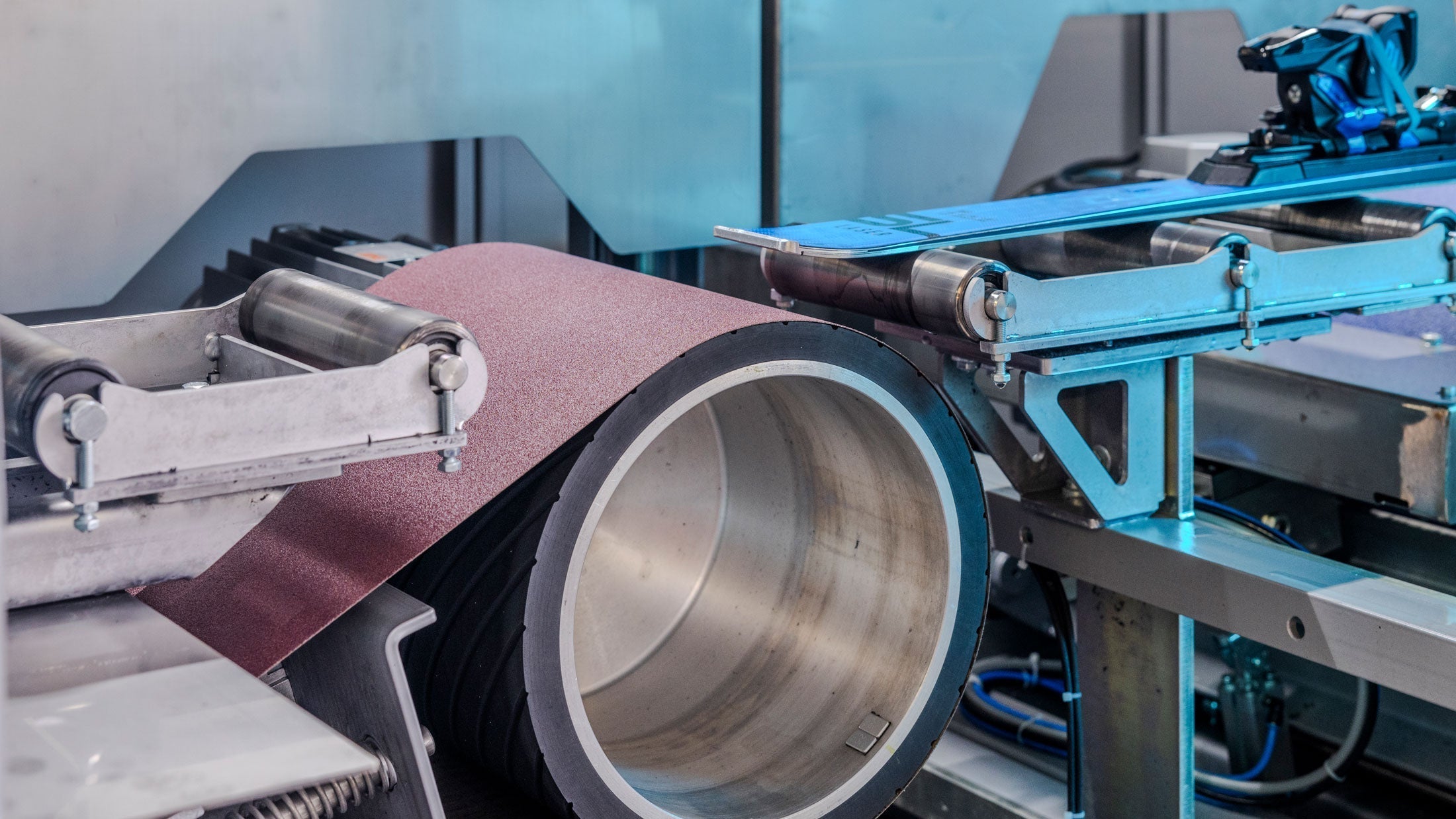
How to Maintain Grinding Belts for Maximum Lifespan
A practical guide to grinding belt maintenance, ski tuning belt care, and how to extend grinding belt life
If you’re running a ski shop or tuning center, your grinding belts are not a minor consumable — they’re a core performance driver. Poor grinding belt maintenance leads to inconsistent structure, overheated bases, premature belt replacement, and wasted money.
If you want to extend grinding belt life, you need discipline, not guesswork.
This guide walks you through exactly how to protect your investment and get maximum longevity from your belts — without sacrificing finish quality.
Why Grinding Belt Maintenance Matters
Grinding belts are precision tools. They determine:
-
Base flatness
-
Structure clarity
-
Edge-to-base alignment
-
Overall ski performance
When belts degrade, they don’t fail all at once. They slowly lose cutting efficiency, generate excess heat, and create inconsistent finishes. That’s when shops start blaming the machine — when the belt is actually the issue.
Good ski tuning belt care delivers:
-
Lower consumable costs
-
More consistent structures
-
Reduced machine strain
-
Higher customer satisfaction
-
Fewer re-grinds
Neglect it, and you pay for it twice.
1. Store Belts Correctly (Most Shops Skip This)
Improper storage is one of the fastest ways to destroy a belt before it ever touches a ski.
Best Practices:
-
Store belts flat or on wide-diameter rolls
-
Avoid tight bends or folding
-
Keep in a dry environment (40–60% humidity ideal)
-
Maintain stable temperature (avoid freezing or high heat)
-
Keep away from direct sunlight
Humidity fluctuations cause backing material to expand and contract. That leads to tracking issues and seam stress once installed.
If belts are leaning in a damp corner of the shop, you’re shortening their life before they even run.
2. Keep Your Machine Clean — Every Day
Grinding belt maintenance is impossible if the machine is dirty.
Dust and debris:
-
Increase belt wear
-
Affect tracking
-
Reduce cutting efficiency
-
Create heat buildup
Daily Cleaning Checklist:
-
Clean pressure rollers
-
Remove grinding dust from housings
-
Check vacuum suction performance
-
Clear base residue from contact zones
If your vacuum system isn’t pulling properly, you’re forcing the belt to recut debris — that destroys structure quality and belt life.
A clean machine = less friction = longer belt lifespan.
3. Monitor Belt Tension Carefully
Too tight = premature wear and seam stress.
Too loose = slippage and inconsistent grinding.
Improper tension is one of the biggest killers of grinding belts.
What to Watch For:
-
Tracking drift
-
Vibration
-
Uneven wear across the belt width
-
Heat buildup
Always follow manufacturer specs for tension settings. “Tighter feels better” is not a strategy.
Over-tensioning is like overtraining in bodybuilding — you’ll burn out the equipment fast.
4. Avoid Overheating (Heat Is the Enemy)
If your belt feels hot after grinding, something is wrong.
Excess heat:
-
Softens resin bonds
-
Reduces abrasive sharpness
-
Warps backing
-
Causes glazing
Prevent Heat Issues By:
-
Ensuring proper coolant/water flow (if applicable)
-
Maintaining sharp abrasive grains
-
Avoiding aggressive feed speeds
-
Checking pressure settings
When belts glaze (shiny appearance, reduced bite), shops often keep using them anyway. That’s a mistake. Glazed belts generate even more heat and destroy ski bases.
Good ski tuning belt care means respecting heat management.
5. Use Proper Feed Speed and Pressure
Trying to grind too fast to “save time” is expensive in the long run.
High pressure + slow feed = heat buildup
High feed + low pressure = inconsistent cut
You want balanced, consistent material removal.
When belts are forced to cut aggressively beyond spec, abrasive grains dull faster, resin bonds break down, and lifespan drops significantly.
If your team is rushing skis through the machine during peak season, your belts are paying the price.
Train your staff. Standardize settings. Protect the equipment.
6. Rotate Belts Strategically
If you’re running high volume, rotating belts between machines or usage phases can extend grinding belt life.
For example:
-
Use newer belts for precision finishing
-
Move partially worn belts to more aggressive prep tasks
-
Retire belts before structure quality suffers
Don’t wait until belts fail catastrophically.
Track installation dates and usage hours. Treat belts like assets — not disposable afterthoughts.
7. Inspect Belts Weekly
Quick weekly inspection prevents expensive surprises.
Look For:
-
Seam separation
-
Uneven wear patterns
-
Edge fraying
-
Glazing
-
Tracking damage
If wear is heavier on one side, your alignment may be off.
Uneven wear isn’t just a belt problem — it’s often a machine calibration issue.
Grinding belt maintenance isn’t just about the belt. It’s about the system.
8. Calibrate Your Machine Regularly
If your machine is misaligned, no belt will last long.
Check:
-
Roller alignment
-
Pressure consistency
-
Tracking sensors
-
Drum condition
A worn contact drum will create inconsistent belt wear. That shortens belt life and affects ski structure.
You cannot extend grinding belt life if your machine is out of spec.
9. Don’t Grind Dirty Skis
This one sounds obvious. It’s not practiced consistently.
Rocks, debris, and hardened wax chunks instantly damage abrasive grains.
Make sure skis are:
-
Pre-cleaned
-
Debris-free
-
Wax-scraped properly
Grinding a dirty ski is like running sandpaper over gravel. The belt loses life immediately.
Train your intake process.
10. Replace Belts Before They Fail
The goal is not to “use every last inch.”
The goal is consistent quality and controlled cost.
A belt used past its optimal performance:
-
Burns ski bases
-
Creates inconsistent structure
-
Wastes time
-
Damages reputation
Replacing a belt slightly early is cheaper than re-grinding customer skis or dealing with returns.
Professional ski tuning belt care means knowing when to retire a belt.
How Long Should a Grinding Belt Last?
There’s no universal number. Lifespan depends on:
-
Volume
-
Ski condition
-
Machine calibration
-
Operator technique
-
Environmental conditions
But here’s the reality:
Well-maintained belts last significantly longer than neglected ones — often 20–40% longer in professional shops that follow strict maintenance protocols.
That’s real money saved over a season.
The Bigger Picture: Equipment Longevity Strategy
Grinding belts are part of a larger system. If your goal is equipment longevity, you need:
-
Preventative maintenance schedules
-
Operator training
-
Environmental control
-
Documentation of usage
-
Regular calibration
Shops that treat their machinery with discipline consistently outperform shops that operate reactively.
Longevity isn’t luck. It’s a process.
Final Thoughts
Grinding belt maintenance is not complicated — but it requires consistency.
If you want to extend the grinding belt life:
-
Store belts correctly
-
Keep machines clean
-
Control heat
-
Monitor tension
-
Train operators
-
Replace proactively
Precision ski tuning demands precision care.
The shops that win long-term are the ones that respect their tools.
If you want your equipment to last, you have to run your shop like it matters — because it does.
Preparing Your Ski Shop for the End-of-Season Service Rush